




Your brakes are one of those systems you rarely think about until the exact moment you need them completely and unquestionably. A modern Chevrolet Tahoe or Chevrolet Silverado carries considerable weight, speed, and momentum. Bringing all of that under control repeatedly, smoothly, and confidently requires engineering working at a remarkably high level. That is precisely why routine Chevrolet brake service should never be treated as optional.
What Chevrolet Brake Service Involves
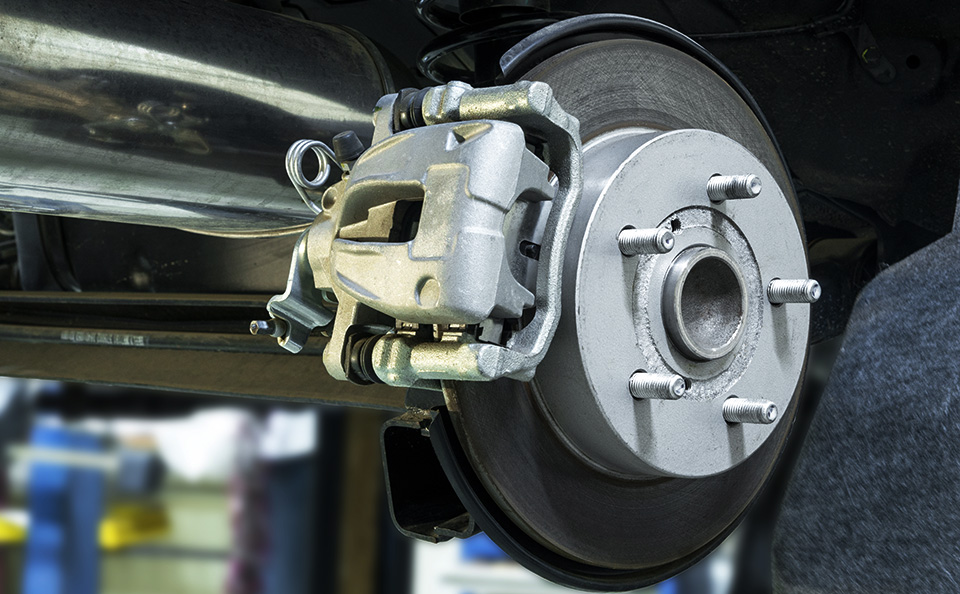
Proper brake service extends far beyond replacing worn brake pads. A comprehensive Chevrolet brake inspection includes evaluating pad thickness, rotor condition, caliper operation, brake lines, hydraulic pressure, and brake fluid quality. Every component works together as part of a carefully balanced system, and weakness in one area tends to affect the others over time.
Brake fluid itself is often overlooked. It absorbs moisture gradually as the years pass, reducing braking performance and increasing the possibility of internal corrosion within the braking system. During professional Chevrolet brake service, technicians inspect fluid condition alongside the hardware itself.
Warning Signs That Your Chevy Needs Brake Attention
Vehicles rarely hide brake issues for very long. A squealing sound during braking is often the first indication that brake pads are nearing the end of their usable life. Grinding noises suggest wear has progressed much further, potentially damaging the rotors themselves.
A soft or inconsistent brake pedal can indicate hydraulic concerns or air entering the brake system. Steering vibration during braking often points toward warped rotors, particularly after repeated heat cycles or prolonged wear. Pulling to one side during braking may indicate uneven caliper function.
Drivers throughout Newton Falls, Ohio, should pay attention to these changes immediately rather than waiting for the symptoms to intensify. Brake systems tend to communicate deterioration progressively. The challenge is that many drivers simply postpone responding to it.
How to Extend the Life of Chevy Brakes
The most effective way to preserve brake longevity is surprisingly simple: smoothness. Progressive braking generates less heat and reduces wear across pads and rotors alike. Leaving additional distance between vehicles allows for calmer, more measured stops instead of repeated aggressive braking.
Reducing unnecessary weight inside the vehicle also eases strain on the braking system. Large cargo loads require additional stopping force, particularly in heavier SUVs and trucks.
Routine tire rotations and wheel alignments help as well. A properly aligned vehicle distributes braking forces more evenly, helping pads and rotors wear consistently over time.
Delaying Brake Service Usually Creates Bigger Problems
Brake wear never improves by itself. Pads worn beyond their intended limits eventually begin damaging the rotors beneath them, turning a relatively straightforward service visit into a significantly more expensive repair. Contaminated brake fluid can compromise hydraulic performance while also affecting internal components throughout the system.
More importantly, delayed brake service compromises the very system responsible for emergency stopping capability. Modern Chevrolet vehicles are engineered with sophisticated safety systems designed to work in harmony with the braking system itself. Maintaining that is essential, particularly during poor weather or emergency maneuvers on Ohio roads.
Staying Consistent with Brake Maintenance
Most manufacturers recommend brake inspections approximately every 12,000 miles or once annually, though driving style and road conditions influence wear significantly. Drivers towing regularly, navigating steep terrain, or encountering frequent stop-and-go traffic may require more frequent inspections. Chevrolet Certified Service technicians understand those variables and evaluate the vehicle accordingly.
Using OEM-approved components and manufacturer procedures helps preserve the original braking characteristics engineers intended from the beginning.
Visit Us for Your Chevrolet Brake Service
Routine Chevrolet brake service is one of the clearest investments you can make in your vehicle’s long-term performance and safety. Consistent inspections, fluid maintenance, and early attention to wear indicators help preserve both confidence and reliability behind the wheel.
Drivers throughout Newton Falls, Ohio, can rely on Cole Valley Chevrolet for Chevrolet brake inspections, brake pad replacement, rotor resurfacing, brake fluid service, and Chevrolet Certified Service designed specifically for Chevy vehicles.
Connect with us


- Chevrolet Blazer
- Chevrolet Colorado
- Chevrolet Equinox
- Chevrolet Finance
- Chevrolet Silverado 1500
- Chevrolet Silverado EV
- Chevrolet Tahoe
- Chevrolet Trailblazer
- Chevrolet Traverse
- Chevy SUVs
- Cole Valley Chevrolet Service
- Community
- Newton Falls Chevrolet Dealer
- Newton Falls Chevrolet Service
- Newton Falls Lifestyle
- Uncategorized
- Warranty Forever